


Staying active and reaching fitness goals becomes easier when you can track your progress throughout the day. Fitness trackers monitor important health data like steps taken, heart rate, calories burned, and sleep quality. These small devices worn on your wrist help you understand your activity levels and make better choices about your health.
Modern fitness trackers offer features that go beyond basic step counting, including GPS tracking for runs, workout detection, stress monitoring, and smartphone notifications. Some models focus on specific activities like swimming or cycling, while others provide general wellness tracking for everyday use. The right fitness tracker depends on what activities you do most and which health metrics matter to you.
When choosing a fitness tracker, battery life is one of the most important factors to consider since you want a device that lasts several days between charges. Screen size and readability matter if you plan to check stats frequently during workouts. Water resistance is essential for swimmers or anyone who wants to wear their tracker in the shower. Accuracy of heart rate monitoring and GPS can vary between models, so it’s worth considering which features you’ll actually use. We tested twelve popular fitness trackers to identify the ones that deliver reliable tracking and useful features.
Best Fitness Trackers
We tested dozens of fitness trackers to find the ones that offer the best combination of accuracy, features, and value. Our top picks include options for every budget and fitness goal, from basic step counting to advanced health monitoring.
Garmin Venu 4
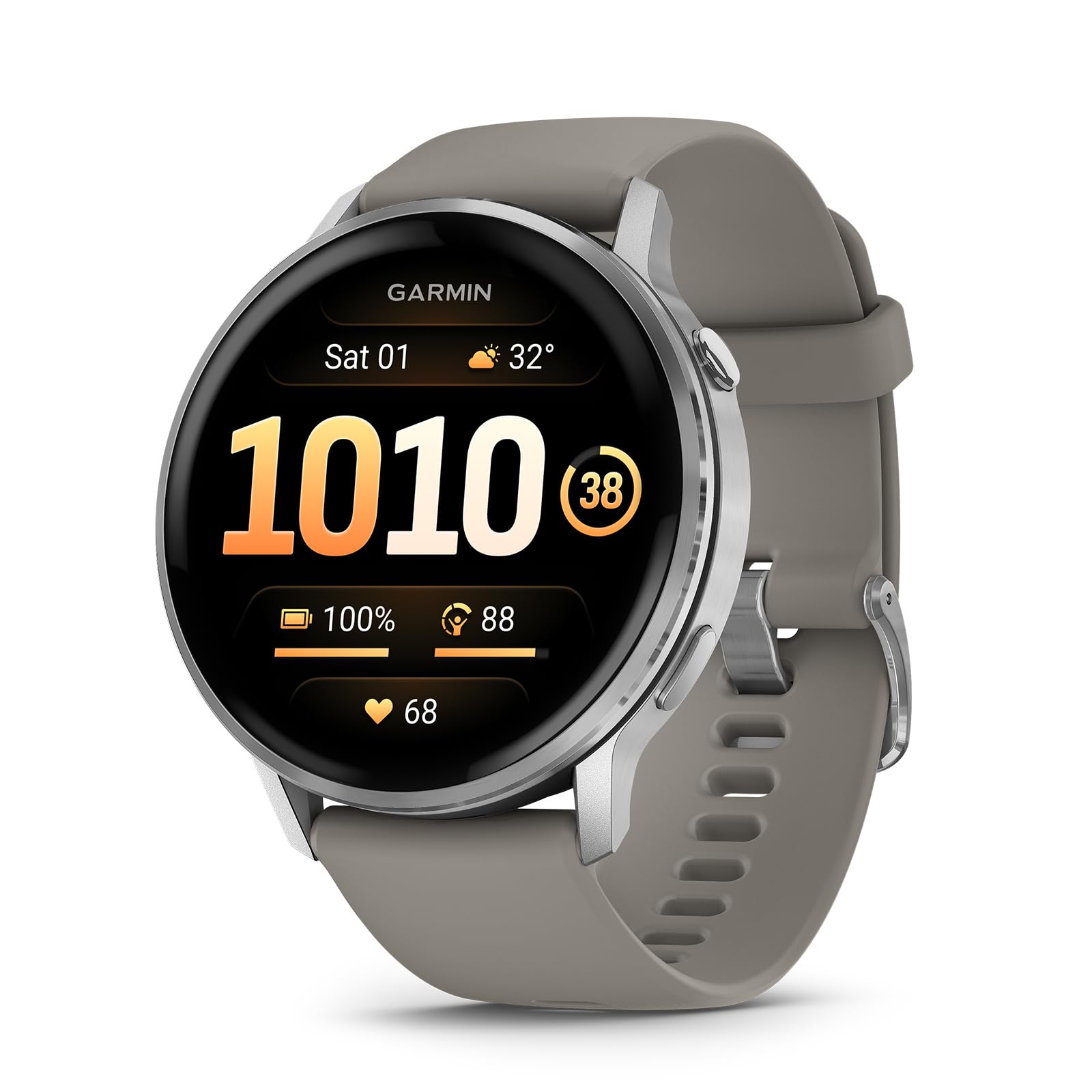
The Garmin Venu 4 delivers impressive health tracking and exceptional battery life that makes it worth considering if you want detailed insights into your body’s daily patterns.
Pros
- The 12-day battery life means we rarely needed to worry about charging during busy weeks
- Body Battery energy monitoring helped us figure out the best times to work out or rest
- Sleep tracking with circadian rhythm alignment gave us useful information about our natural sleep cycles
Cons
- The stainless steel design adds noticeable weight compared to lighter fitness trackers
- Learning all the health features and metrics took some time to understand fully
- The price point is higher than basic fitness trackers that only count steps
We tested the Venu 4 for several weeks and found it genuinely changed how we approached daily activity. The Body Battery feature became something we checked each morning to decide whether to push hard at the gym or take things easier.
The bright display looked clear even in direct sunlight during outdoor runs. We could glance at our wrist and see heart rate data without squinting or stopping. The built-in GPS tracked our routes accurately without needing to carry a phone.
Sleep tracking stood out as particularly detailed. Each morning, we reviewed our sleep score and got specific suggestions for improvement. The sleep alignment feature told us when we were fighting against our natural rhythms by staying up too late.
The health status monitoring caught our attention when we felt run down one week. The watch detected changes in our heart rate variability and suggested we might need extra recovery time. We appreciated this heads-up before pushing too hard.
Battery life impressed us the most. We went almost two weeks between charges even with daily workouts and constant heart rate monitoring. Most smartwatches need charging every day or two, so this felt freeing.
The Garmin Venu 4 offers over 80 sports modes, though we mainly stuck to running, cycling, and strength training. The animated workout guides helped us try new exercises with proper form. We could also take phone calls from our wrist, which worked well during walks when our phone stayed in our pocket.
WHOOP 5.0 Activity Tracker

The WHOOP is perfect for serious athletes and health-focused users who want detailed recovery data and are willing to pay for ongoing membership access.
Pros
- The two-week battery life means we rarely think about charging it during our daily routine
- Recovery insights help us understand when to push hard and when to rest based on real data
- The band stays comfortable all day and night without feeling bulky on our wrist
Cons
- The annual membership fee adds significant cost beyond the initial purchase price
- Blood pressure and ECG features require specific conditions to work properly
- The app can feel overwhelming at first with so much health data to review
We wore the WHOOP for several weeks and found it gave us a completely different view of our fitness than a regular watch. The device tracks everything from how well we sleep to how much stress our workout puts on our body. After a few days, we started to understand our recovery scores and used them to plan our training.
The battery life really stands out. We charged it maybe twice in a month, and the wireless charger slides right onto the band while we wear it. This means we never had to take it off, which kept our data collection running all the time.
The sleep tracking proved especially useful. We learned that late meals and screen time before bed hurt our recovery scores. The strain coach also helped us understand when we were pushing too hard without enough rest days.
One thing we noticed is the subscription model. After the first year, we need to keep paying to use the device. This makes the WHOOP more expensive over time compared to other trackers. The data is valuable, but we need to decide if the monthly cost fits our budget long-term.
Fitbit Charge 6

The Charge 6 brings Google apps to your wrist while keeping fitness tracking as its main focus, making it a solid choice if you want both convenience and health monitoring in one device.
Pros
- Google Maps integration provides turn-by-turn directions right on your wrist during workouts
- Battery lasts multiple days without needing a charge, unlike smartwatches that die daily
- Tracks sleep patterns effectively so you can monitor your rest quality each night
Cons
- Calorie burn estimates aren’t very accurate and shouldn’t be relied on for strict diet tracking
- Missing an altimeter which seems like an odd omission for a fitness tracker at this price
- Requires Google apps which aren’t available everywhere and may use your mobile data
We found the Charge 6 sits comfortably on our wrist throughout the day and night. The bands adjust easily to fit different wrist sizes, which we appreciated during workouts when our wrists swelled slightly.
Google Wallet makes paying for post-run snacks incredibly convenient. We just tapped our wrist at the payment terminal and moved on. The GPS tracking worked well during our outdoor runs, giving us accurate distance and pace data.
Sleep tracking became one of our favorite features. We wore it every night and got detailed breakdowns of our sleep stages each morning. The screen size works fine for quick glances at stats, though it’s not huge.
The six-month Premium membership gives you access to more detailed health insights. We tested various workout modes and found them responsive and easy to switch between. Heart rate monitoring on exercise equipment proved more accurate than we expected.
Samsung Galaxy Watch 8
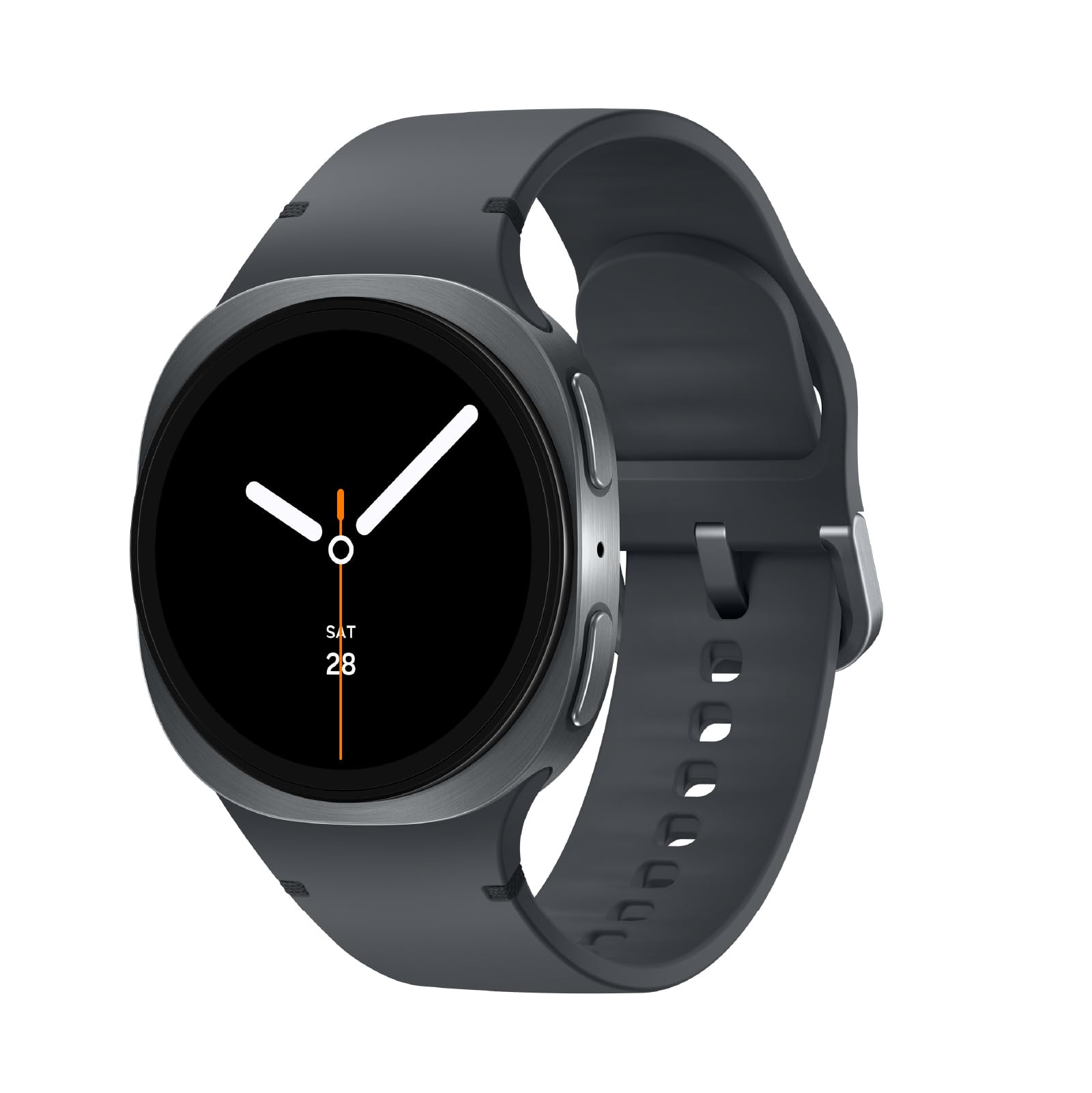
This smartwatch delivers strong health tracking and sleep insights in a thin design that works best for Samsung phone users.
Pros
- The slim profile fits comfortably throughout the day and night without feeling bulky on your wrist
- Sleep tracking provides useful coaching that helps you understand your rest patterns after a few nights
- Running features give real-time feedback during workouts with specific training programs
Cons
- Battery life drops to about two days with regular use, which means frequent charging
- The 40mm size still feels large if you have smaller wrists
- Some features like blood pressure monitoring only work when paired with Samsung phones
We found the Galaxy Watch 8 comfortable to wear all day thanks to its lighter build. The watch sits close to your skin without sliding around during workouts or sleep. After wearing it for three nights, the sleep coaching started giving us bedtime suggestions that actually made sense.
The running coach feature surprised us with how helpful it was during outdoor runs. We got pace updates and form tips in real time after the initial setup. The interface shows your stats clearly without needing to swipe through multiple screens.
Battery performance was decent but not amazing. We needed to charge it every other day with normal use that included sleep tracking and workout sessions. The watch handles basic smartwatch tasks like notifications and weather updates smoothly.
We noticed the health tracking features work well for daily monitoring. The heart rate sensor stayed accurate during our tests, and the step counter matched our expectations. The vascular load tracking gives you extra data about stress levels, though we found the Energy Score most useful for getting a quick health summary each morning.
Apple Watch Ultra 3
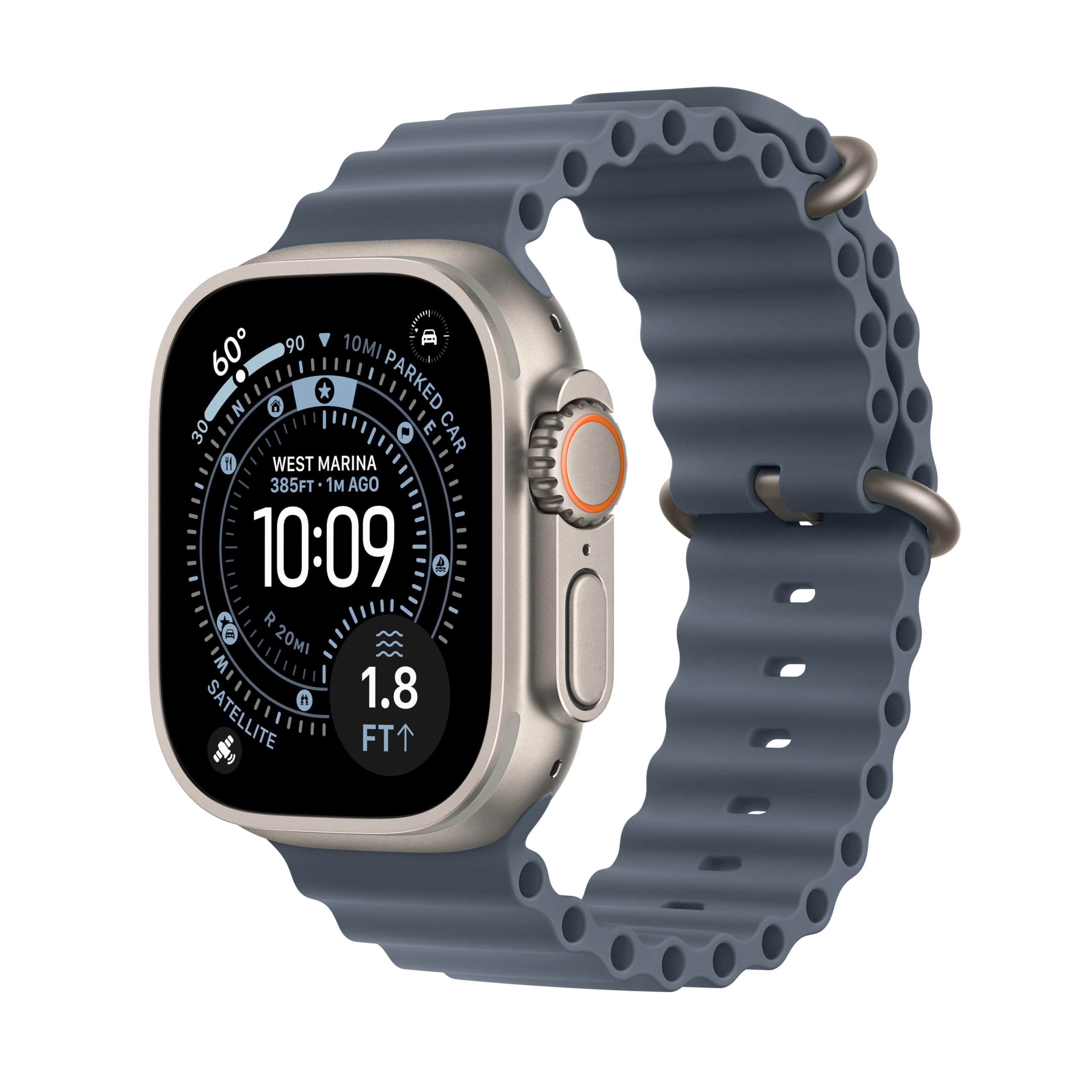
The Apple Watch Ultra 3 is a smart buy for serious athletes and outdoor lovers who need a tough watch that can handle extreme conditions while tracking detailed health data.
Pros
- Battery lasts up to three days with normal use, which means less time plugging it in
- Screen stays bright even in direct sunlight and works great as a flashlight when you need it
- Titanium case feels light on your wrist but takes a beating without showing scratches
Cons
- Large size looks bulky on smaller wrists and may feel too big for everyday wear
- Premium price puts it out of reach for casual users who don’t need all the advanced features
- Takes some time to learn all the customizable buttons and settings
We tested the Ultra 3 during morning runs and found the dual-frequency GPS locked onto our location faster than previous models. The watch stayed comfortable even during long workouts, and we never worried about damaging it when we accidentally bumped it against gym equipment.
The battery life impressed us most. We wore it for three full days with regular workouts, sleep tracking, and notifications turned on before needing to charge. When we finally plugged it in, the fast charging brought it back to full power in about 90 minutes.
The bright display made a real difference outdoors. We could easily read our heart rate and pace while running in bright afternoon sun. The screen worked well as a flashlight too when we needed to find our keys in a dark bag.
Health tracking gave us useful information without feeling overwhelming. We checked our sleep score each morning and noticed patterns in our rest quality. The heart rate zones helped us train smarter instead of just pushing hard every workout.
The action button took a few days to get used to, but now we use it constantly to start workouts with one press. We customized it to track our most common exercise, which saved us from digging through menus. The rugged build means we don’t baby it like our old watch.
Buying Guide
When we shop for a fitness tracker, we need to think about what features matter most to us. Not every device offers the same capabilities, so it helps to know what to look for.
Display and Design
The screen size and type affect how easy it is to read our stats. Some trackers have color touchscreens while others use basic black and white displays. We should also consider if we want a watch-style device or a simple band.
Water resistance matters if we swim or shower with our tracker on. Most devices can handle sweat and rain, but not all work for swimming.
Health and Fitness Features
We need to decide which metrics are important to track. Here are common features to consider:
| Feature | What It Does |
|---|---|
| Heart Rate Monitor | Tracks beats per minute during rest and exercise |
| Step Counter | Counts daily steps and distance walked |
| Sleep Tracking | Monitors sleep duration and quality |
| GPS | Maps outdoor routes without a phone |
| Calorie Tracking | Estimates calories burned throughout the day |
Battery life varies widely between models. Some last 5 days while others need charging every day. We should think about how often we want to charge our device.
Compatibility and Apps
We must check if the tracker works with our smartphone. Some devices only sync with certain phone types. The companion app should be easy to use and show our data clearly.
Price ranges from budget-friendly to expensive. We should set a budget and find the best features we can afford.
Frequently Asked Questions
Modern fitness trackers now include advanced sensors for health monitoring, longer battery performance, and improved water protection. Smart device pairing and personalized goal systems have become standard features across leading brands.
What are the top-rated features to look for in a fitness tracker in 2026?
We recommend prioritizing accurate heart rate sensors and GPS tracking. These two features form the foundation of reliable fitness monitoring.
Blood oxygen monitoring and sleep stage tracking are now standard in quality devices. Most 2026 models also include stress detection through heart rate variability measurements.
Screen quality matters for outdoor visibility. AMOLED displays work best in bright sunlight compared to LCD screens.
How do the leading fitness trackers of 2026 differ in terms of battery life and charging capabilities?
Battery life varies from 5 days to 14 days depending on the model and usage. Devices with always-on displays drain power faster than those with raise-to-wake features.
The longest-lasting trackers use efficient processors and limit GPS usage. Some models offer battery-saver modes that disable certain sensors to extend life up to 20 days.
Charging methods include magnetic cables and wireless charging pads. Most devices fully charge in 1 to 2 hours.
Which fitness trackers offer the most accurate heart rate and activity monitoring?
Devices with multiple LED sensors provide better heart rate accuracy than single-LED models. We found that trackers with six or more LEDs deliver medical-grade precision during both rest and exercise.
Step counting accuracy depends on accelerometer quality and algorithm design. Premium models correctly identify different activities like walking, running, and cycling without manual input.
Optical sensors work best when the device fits snugly on your wrist. Loose bands reduce accuracy by up to 15 percent during intense workouts.
Can you compare the water resistance and durability of the most popular fitness trackers on the market?
All major 2026 fitness trackers meet 5ATM water resistance standards. This rating allows swimming in pools and open water up to 50 meters deep.
Screen protection varies between brands. Sapphire crystal displays resist scratches better than standard glass but cost more.
Case materials include aluminum, stainless steel, and reinforced plastic. Metal cases withstand impacts better but weigh more than plastic alternatives.
What are the best options for fitness trackers that integrate seamless smartphone compatibility?
We found that trackers work best with phones from the same manufacturer. Apple fitness trackers pair most smoothly with iPhones, while Samsung devices connect better with Galaxy phones.
Cross-platform options support both iOS and Android through dedicated apps. These trackers sync workout data, notifications, and music controls regardless of phone brand.
Bluetooth 5.2 connectivity maintains stable connections up to 30 feet away. Most 2026 models also support Wi-Fi for direct cloud syncing without a phone nearby.
How do the most advanced fitness trackers support goal setting and tracking progress over time?
Modern trackers let us set custom goals for steps, calories, exercise minutes, and sleep hours. The devices send reminders when we fall behind daily targets.
Progress tracking includes weekly and monthly trend graphs. We can view improvements in resting heart rate, average pace, and recovery time over extended periods.
Adaptive goal systems automatically adjust targets based on our performance. If we consistently exceed a goal, the tracker increases it by 5 to 10 percent to maintain challenge levels.
 FlexiViews
 FlexiViews
FlexiViews
Test all good
FlexiViews
hello world
FlexiViews
test again
FlexiViews
test 1